
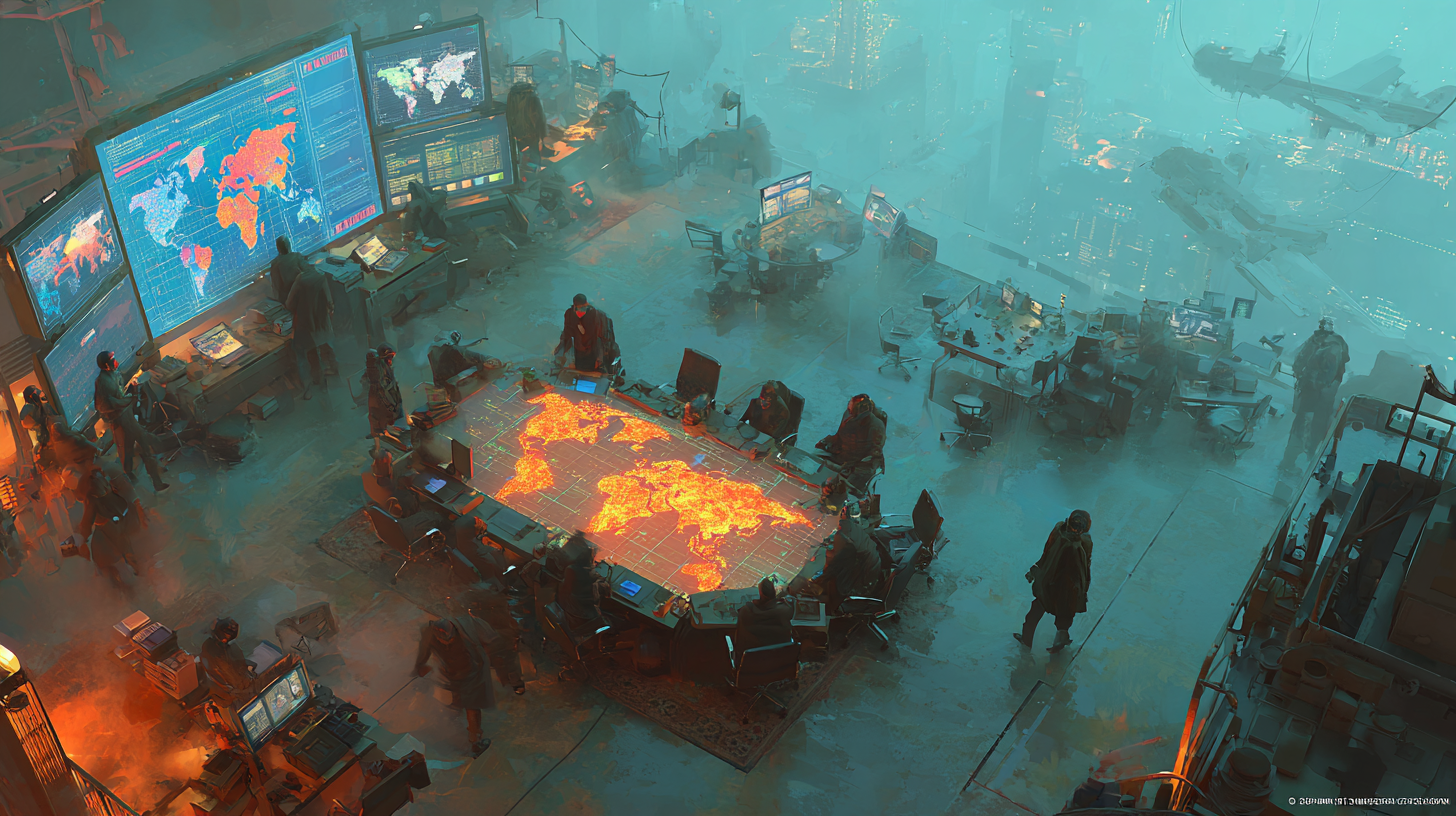
Real conspiracies trend on social media before breakfast. For Techno-Conspiracy Thriller writers, that’s both an advantage and a minefield. Conspiracy credibility requires that fictional shadow networks feel plausible — but lean too close to reality, and readers disengage. Nail the balance, and you’ve written something they can’t put down. Here’s how to build conspiracies with the structural credibility your genre demands.
Start with motive, not mechanics. Most amateur conspiracy plots fail because the writer builds the secret organization first and invents reasons for it to exist later. Instead, anchor your shadow network in something concrete: resource control, ideological preservation, or technological monopoly. Readers — especially fans of Techno-Conspiracy Thrillers — are sophisticated. They’ll spot hollow villainy immediately. John Truby Studios uses exactly this logic in their story development frameworks, pushing writers to define what the conspiracy protects before they build a single scene around it.
Giving Your Conspiracy Credibility Through Realistic Power Structures
Real power doesn’t live in a single room. Effective fictional conspiracies mirror actual institutional hierarchies — boards, cells, cutouts, and plausible deniability layers. Think of how intelligence agencies compartmentalize information. Your shadow network should work the same way. Consequently, not every operative knows the full picture. That gap creates natural tension, limits your villain’s omniscience, and gives your protagonist real vulnerabilities to exploit.
Build internal conflict into the structure, too. A conspiracy with perfectly aligned members reads as fantasy. Instead, show competing factions within the network — ideological purists versus pragmatists, old guard versus new tech adopters. This mirrors how real institutions fracture under pressure, and it generates subplot momentum without extra exposition. For more on structuring antagonist organizations, check out The Terminal Gene.
Shadow Networks, Misinformation Thrillers, and the Plausibility Line
Here’s the line every Techno-Conspiracy writer must walk: your conspiracy needs to feel achievable, not instructional. The goal is dramatic credibility, not a blueprint. Grounding your plot in real technologies — surveillance infrastructure, deepfake generation, algorithmic manipulation — gives your story texture. However, specificity should serve character stakes, not technical education. Ask yourself: does this detail make the reader fear for your protagonist, or does it read like a white paper?
Misinformation as a plot engine is particularly potent right now. Readers recognize the mechanics of narrative manipulation from their own social feeds. Therefore, when your antagonists weaponize information ecosystems, it lands with visceral recognition. That resonance is your genre’s superpower. Use it to heighten emotional stakes, not just plot complexity.
Finally, resist the urge to explain everything. The most durable Techno-Conspiracy Thrillers leave structural ambiguity intact — not every thread resolves, not every player is unmasked. That open edge signals to readers that the world of the novel extends beyond the final page. It’s the difference between a satisfying thriller and a forgettable puzzle-box story.
Build your shadow network with realistic motives, layered hierarchy, and a disciplined hand on the plausibility dial. Give your antagonists goals they could — theoretically — achieve, and your readers will stay up past midnight wondering if someone already has. Start with the motive. The machinery follows.
What power structure drives the conspiracy at the center of your current project? Drop your answer in the comments — and subscribe for more craft-focused posts built specifically for Techno-Conspiracy Thriller writers.