
Reader star ratings feel democratic, and that quality is exactly why they carry limited weight. For writers building a career, a different kind of endorsement matters far more, trade review credibility. A trade review, written by an editor who reads hundreds of manuscripts a year, signals something a five-star average cannot. It’s independent, informed judgment from someone with a reputation to protect. Understanding that difference changes how a smart author allocates marketing time and budget.
Consider how a retail platform like Goodreads displays star counts by the thousand. Yet, none of those numbers carries a byline or an institutional track record behind it. A trade review does. That distinction matters enormously when an agent, a bookseller, or a cautious reader is deciding whether to trust an unfamiliar name in a crowded genre. Consequently, one credentialed sentence often outperforms a hundred anonymous ones, particularly in a genre where readers expect a certain level of technical plausibility before they commit their time.
Why Trade Review Credibility Outweighs Star Ratings
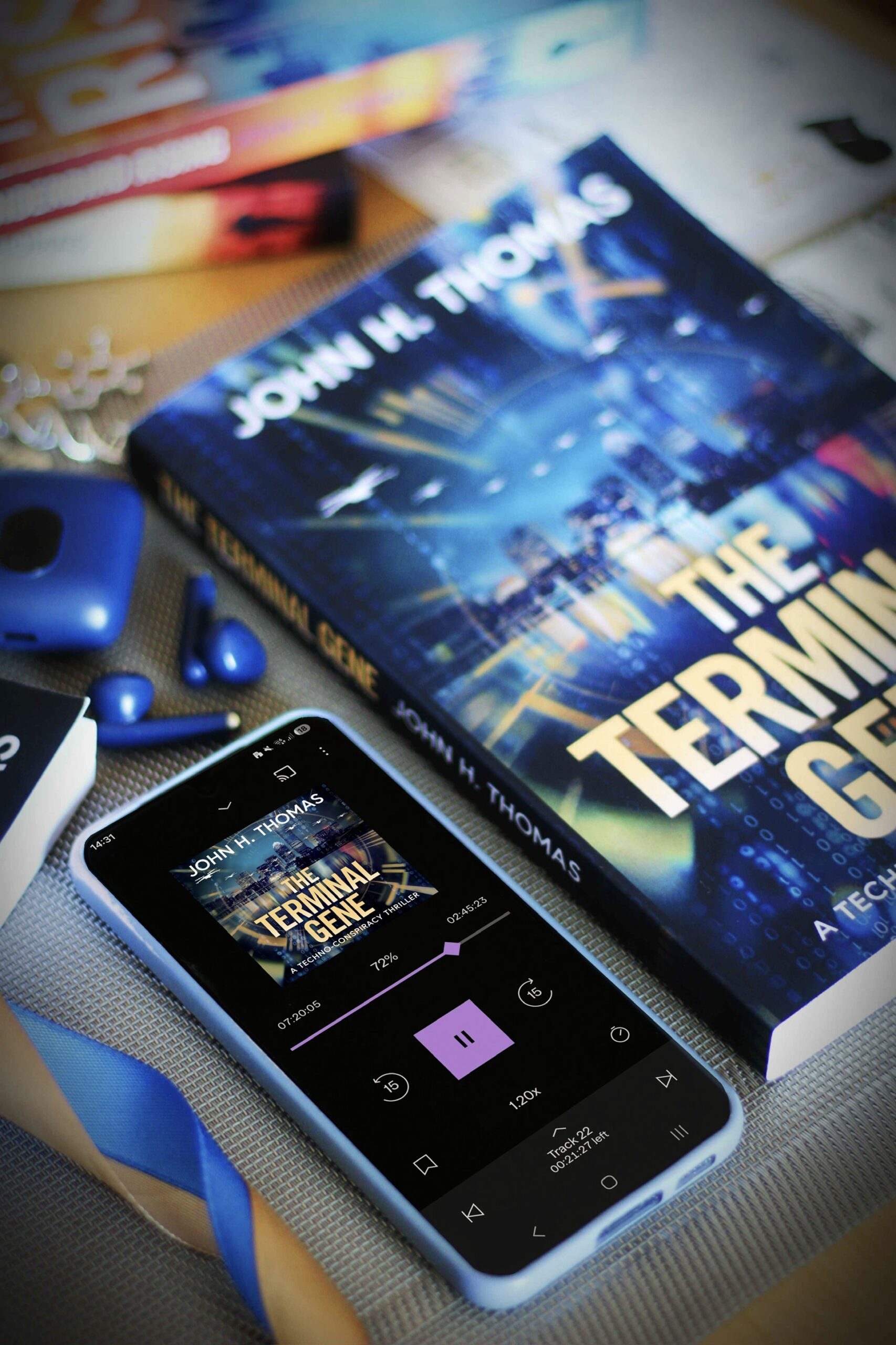
Two recent Kirkus reviews of this author’s own Chronos Files series make the case directly. The first installment earned recognition as “a far-fetched but often fun SF thriller,” a line that does more positioning work than a hundred unattributed five-star ratings ever could. For the full review, and a look at how those lines translate into launch copy, see The Terminal Gene. That single credentialed phrase now anchors the book’s Amazon description, its query letters, and its social ads alike.
The sequel, Echoes of the Gene, drew its own distinct label, described as “byzantine and brooding,” alongside a comparison to Michael Crichton’s brand of just-plausible speculative fiction. Notably, comp-title language like this does double duty: it reassures genre readers they know what they are getting, while also signaling to industry professionals that the work sits inside a recognizable, sellable tradition. Readers searching for their next techno-conspiracy fix respond to that signal instinctively, even when they cannot articulate why.
Editorial Reviews vs. Reader Reviews: What Each One Buys You
Reader reviews build social proof at scale, and that scale genuinely matters for visibility on major retail platforms. Editorial reviews, however, build something reader reviews cannot: third-party authority and genre positioning. A trade review situates a book alongside established names, offers language a marketer would never write about their own work, and lends credibility precisely because it was not solicited from a fan. Smart authors use both, but they should never confuse the two or assume one can substitute for the other. Ultimately, the two review types serve different stages of the reader’s decision, and a launch plan that leans on only one leaves real persuasive power on the table.
Turning Pull Quotes Into Query Letters and Social Ads
Once a trade review exists, the real marketing work begins. A single sharp line, dropped into the opening paragraph of a query letter, immediately signals to an agent that the manuscript has already cleared a professional bar. The same line, overlaid on a moody, atmospheric image, performs remarkably well as Instagram and Facebook ad creative, where attention spans are short and a punch of institutional credibility stops the scroll faster than generic ad copy ever will. Therefore, a five-word phrase from a respected reviewer can outperform an entire paragraph of self-authored promotional text, simply because readers instinctively trust it more.
Trade review credibility is not a vanity metric to display quietly on a book jacket. It is a strategic asset that belongs in query letters, press kits, and paid social campaigns alike, doing marketing work that reader stars and self-written ad copy simply cannot replicate. Ultimately, the authors who treat their reviews as reusable marketing copy, rather than a one-time badge of honor, get more mileage out of every professional endorsement they earn. The next step is straightforward: pull the sharpest line from your own most recent review, and test it as the opening hook in your next query letter or ad set this month.