
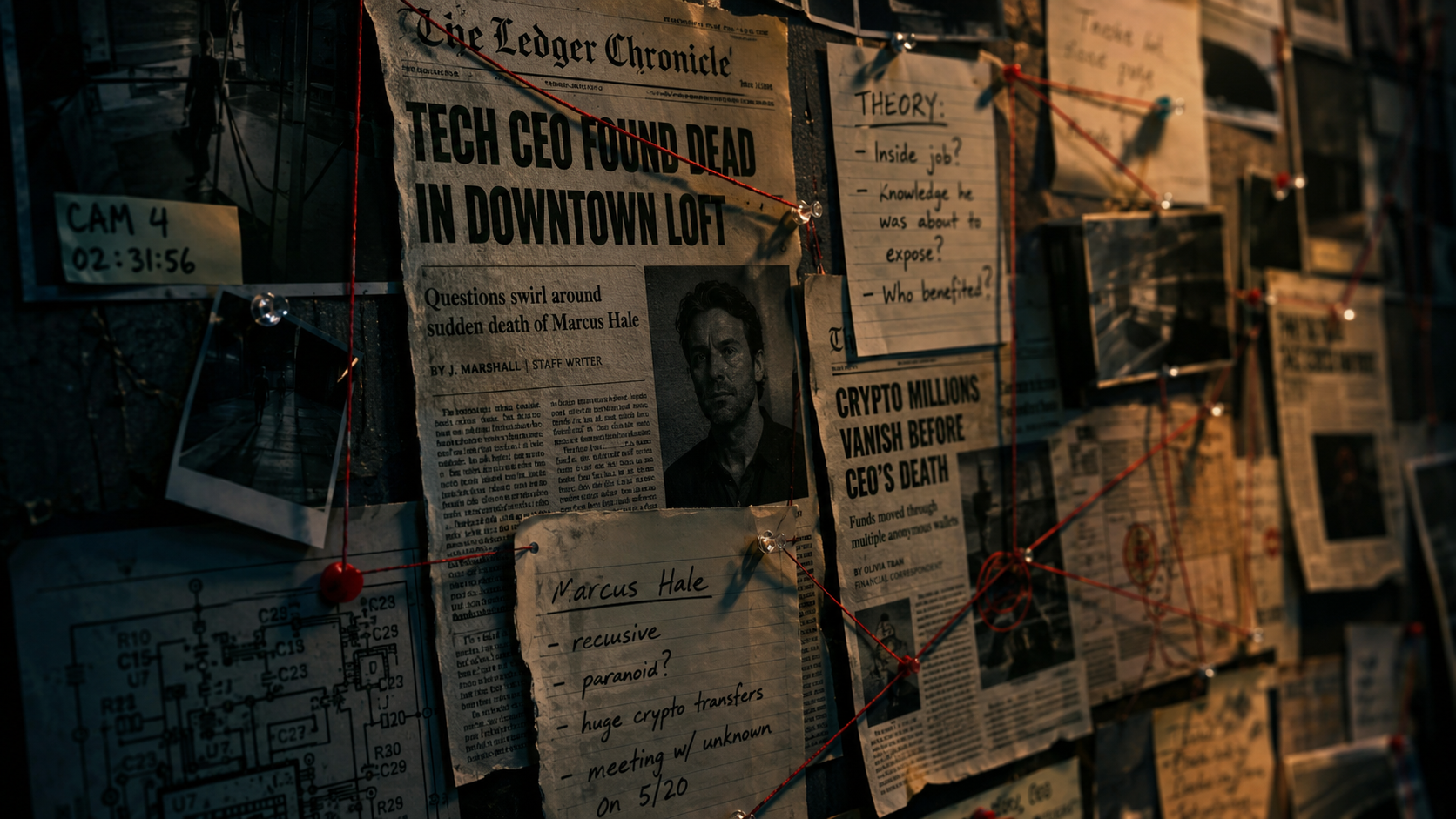
The best techno-conspiracy thrillers feel uncomfortably real. Not because writers fabricate convincingly—but because they watch the world with the eyes of a storyteller. Real surveillance programs, rogue AI projects, and geopolitical power grabs arrive pre-loaded with everything a novelist needs: shadowy actors, buried motives, plausible deniability, and catastrophic stakes. The raw material is not hidden. It runs in every news feed, academic preprint, and leaked government document you scroll past without stopping. The skill is learning how to use it.
Fiction writers in this genre hold a rare advantage: reality is actively outpacing imagination. The challenge is no longer inventing plausible threats—it is choosing which real ones to fictionalize first. Readwise Reader, is a research platform built for writers, lets you clip, annotate, and categorize story seeds from live news sources directly into a creative workflow.
Reader lets you clip directly from live web sources, RSS feeds, and newsletters, then highlight and annotate inline. Everything feeds into a searchable library that syncs with Readwise’s broader “second brain” ecosystem. It’s built around the idea of a compounding knowledge archive. Rather than scattering ideas across browser tabs and forgotten folders, you build a searchable, plot-ready archive that compounds over time.
Start building it now. In twelve months, you will have more story material than you can use in a career.
Real-World Tech Inspiration for Techno-Conspiracy Thrillers
The news cycle moves fast—but a strong story idea does not need to be timely. It needs to feel inevitable. When you read about a government agency quietly expanding its facial recognition database, you are not reading a policy brief. You are reading a thriller setup waiting to be claimed. As explored in The Chronos Files, the most gripping plots in this genre root their technical details in systems that already feel half-familiar to readers. Your goal is not to invent the technology. Instead, follow the implications of technology that already exists. Those implications are frightening enough without embellishment.
Consider the story veins that are richest right now. Autonomous weapons systems operating in legal gray zones, without clear chains of accountability. Social media platforms quietly adjusting ranking algorithms during election cycles while publicly denying any editorial role. Private satellite constellations with surveillance capabilities that dwarf what governments will openly acknowledge. Underground markets trading in biometric data stolen from healthcare providers and sold to the highest bidder. Nation-state hackers masquerading as ransomware groups to maintain plausible deniability. Each of these stories already contains morally compromised characters, a dangerous power imbalance, and a secret someone is willing to kill to protect.
The thriller is already written. Your job, as the author, is simply to excavate it.
Emerging Technology Story Ideas: AI Surveillance and Conspiracy Plots
Artificial intelligence is currently the genre’s most fertile territory. Real AI development programs, particularly those connected to national security and corporate surveillance infrastructure, generate story material almost faster than writers can process. Facial recognition deployed against protesters without legal oversight. Predictive policing algorithms profiling entire neighborhoods before any crime occurs. Voice-synthesis technology precise enough to fabricate courtroom testimony. Each of these tools already exists, and none of them carry adequate legal regulation. That gap between what technology can do and what society has decided it should be allowed to do is precisely where your techno-conspiracy thriller lives.
Harvest these real-world stories ethically and creatively. Fictionalize aggressively: change the actors, the geography, the organizational names. Shift the timeline to give yourself narrative breathing room. But always preserve the mechanism. The technology in your novel should function the way real technology actually functions. Readers will accept a fictional government agency. They will not forgive a facial recognition system that operates in ways real systems simply cannot. That commitment to authenticity separates a forgettable genre thriller from a book that leaves readers genuinely unsettled for days after they finish it. Writers in this space are technically literate, and they notice when plausibility is shortcut.
From Reading to Writing
Real-world conspiracies and emerging technologies are not just creative inspiration; they are your single greatest competitive advantage in this genre. The techno-conspiracy thriller thrives precisely because readers already suspect that some version of your story is true. So open a news feed today, tag your story seeds, and let reality do the heavy lifting. The next great techno-conspiracy thriller is already out there, buried in a headline you almost scrolled past. Subscribe to the blog for monthly craft deep-dives into the writing strategies that are tailored for writers, and readers, in this extraordinary genre.
