
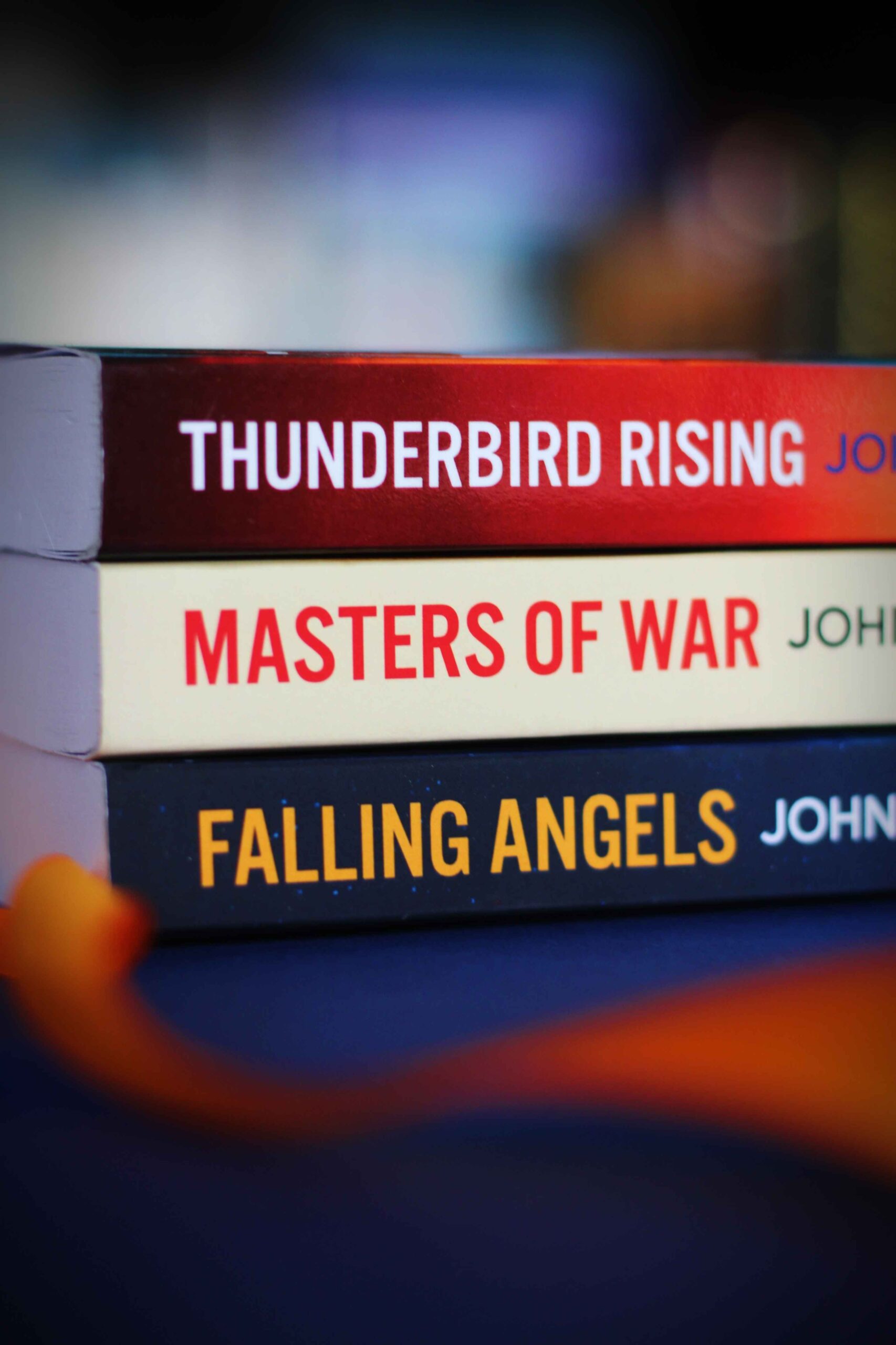
Readers rarely judge a series by its opening chapter alone. Instead, they judge whether book two delivers on what book one promised. They also notice whether book three still feels like it belongs to the same world. This is the reason an author should spend time building series credibility.
That judgment continues with every release. Over time, it can build or break a series, often before readers consciously understand why they trust or distrust an author. Writers who understand how that trust compounds can make better decisions long before they begin drafting book two.
The Terminal Gene and Echoes of the Gene illustrate this effect directly. Each Kirkus review served as an external checkpoint. The reviews confirmed for new readers that book two carried forward the voice and stakes established in book one.
Series Credibility in Fiction Writing
Series credibility in fiction writing rests on a simple but demanding standard. Planted threads eventually need a payoff, and characters need to grow in ways that feel earned rather than convenient or rushed.
Readers notice when a subplot vanishes without explanation. They also notice when an author brings one back at exactly the right moment. That consistency becomes evidence that the author knows where the story is going.
For that reason, tracking open threads across a series matters as much as drafting new chapters. Inconsistency can erode trust faster than a single weak scene. Once lost, that trust can also be difficult to rebuild.
Reviews and other credibility assets reinforce this trust from the outside, just as strong craft builds it from within. Our earlier post on Leveraging Kirkus Trade Reviews explains how a strong critical response can become useful marketing material. Those reviews also tell readers that outside critics have taken the series seriously across multiple releases.
That accumulated credibility becomes especially valuable with a trilogy collection releasing in a few months. New readers face a larger commitment when they consider three books instead of one. A proven track record gives them more reason to make that commitment.er could, and it is far harder to repair once broken.
Building Reader Trust Across a Book Series
Building reader trust across a book series and planning a fiction trilogy go hand in hand from the first outline. A successful trilogy needs a middle book that deepens the stakes from book one. It cannot simply stall until the finale arrives.
Readers can sense padding quickly which undermines series credibility. Every scene in book two should therefore move something forward, even during quieter chapters. It might develop a character, complicate a relationship, deepen a mystery, or position a piece that matters later.
That discipline also changes how readers experience a completed trilogy collection. The three books can feel like parts of one cohesive story rather than separate novels stitched together after the fact.
Building a Series Universe
Building a series universe takes the same discipline beyond the boundaries of a single trilogy. It requires the writer to think about what can continue without making earlier stories feel incomplete.
The Maxx King series was structured from the outset to move into a second trilogy after the first concludes. The new books carry forward the world, its characters, and its larger stakes. They also benefit from the credibility earned across the first three books. A second trilogy therefore does not have to start from zero. Existing readers already know what kind of experience the series promises. They have a reason to return on day one.
That inheritance can matter more than any individual marketing campaign. It is one of the things that turns a reader who enjoyed one book into a reader willing to follow an entire series.
Series credibility never comes from a single book. It accumulates one honored promise at a time, book after book and release after release.
Track the threads you plant. Deliver the payoffs readers have earned. Use reviews and collections to reinforce the trust your fiction creates. Then build a world strong enough to support whatever comes next.
Start by revisiting your own series bible. Find one unresolved thread and make sure you know how you intend to pay it off.